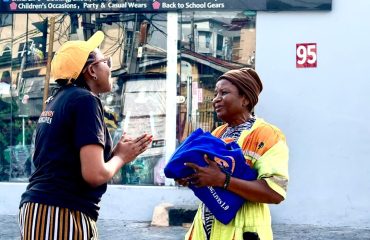

On a morning in late May, more than 300 students filed into a government school in Ogbere, a small community in Ogun State’s Ijebu East Local Government Area. For many of them, it was their first encounter with structured technology training. By the end of the day, they had completed hands-on digital skills sessions, received learning materials, and earned certificates marking the start of something new.
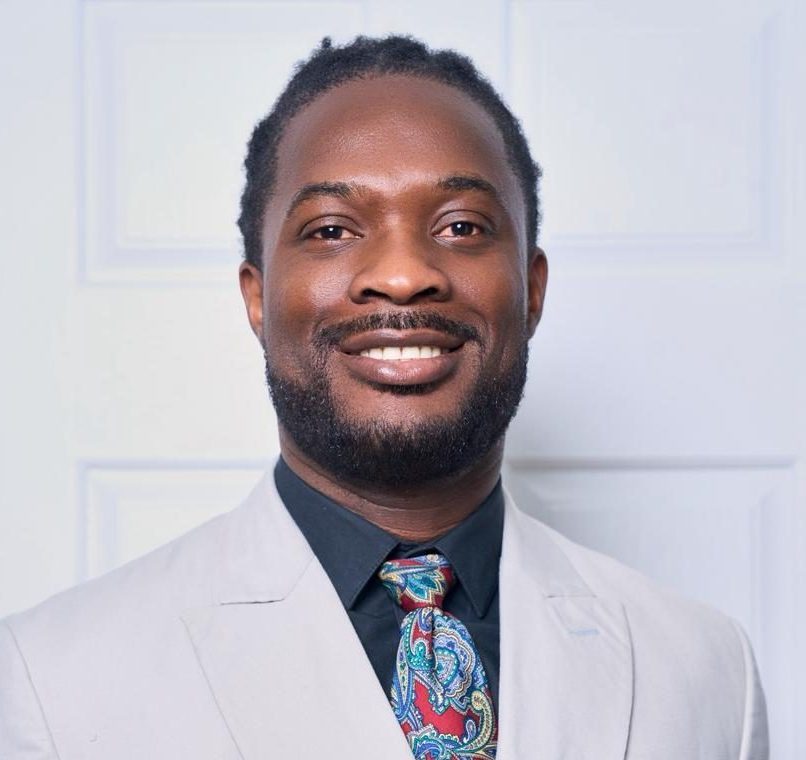
It was, by any measure, an unusual day for a community where most parents are subsistence farmers and textbooks remain a luxury. But for Louis Awode—an MBA student at Georgia State University’s Robinson College of Business and founder of the Louis Awode Foundation—it was simply the beginning.
Awode has launched a nationwide initiative to bring robotics, coding, entrepreneurship, and technology education to children in underserved communities across Nigeria—a deliberate effort to ensure that Africa’s growing digital economy does not leave its most vulnerable young people behind. With the Middle East and Africa’s industrial robotics market projected to reach $4.29 billion by 2030, the stakes for early digital inclusion have never been higher.
The Ogun State outreach, delivered across four schools in Ijebu-Ode and Ogbere over two days, reached nearly 1,800 pupils and students in total. More than 460 completed the structured technology training program. The results were immediate and visible—but for Awode, they were also deeply personal.
He grew up in Ogbere. He knows what it means to come of age in a community where ambition runs ahead of resources. “The foundation’s goal is to give vulnerable children the exposure and support they need to reach their potential,” he said. “We selected these locations because we identified a gap—limited access to educational resources and digital literacy—and because these are the communities that need this most.”
Thousands of miles from Atlanta, where he balances a STEM MBA with a concentration in business analytics, Awode is proving that graduate school and grassroots impact are not mutually exclusive. The skills he is developing at Georgia State—strategy, data, and leadership—are the same ones shaping how he scales the foundation’s work back in Nigeria.
The Ogun State program was delivered in partnership with The Archers and Jekacode Africa. The Archers managed on-the-ground coordination, volunteers, and logistics; Jekacode brought the technology curriculum to life. For The Archers’ Head of Brand Experience, Michael Olabode, the partnership reflected a shared belief in continuity of impact—supporting Nigerian youth from primary school all the way through to early career.
One student at St. Mary’s Catholic School in Ogbere, a primary six pupil who lives with relatives after losing her parents, said she hoped the foundation would return. “I feel blessed. I hope they do more of this to support more children like me,” she said.
That hope is now a plan. The Louis Awode Foundation has set a target of reaching over 20,000 children nationwide, building school-based technology hubs, launching mentorship programs, and organizing robotics competitions to sustain engagement beyond a single visit.
In a continent racing to close its digital divide, Awode’s work represents more than charity. It is a reminder that the most powerful thing an education can do is travel—back home, into communities that need it most, and into the hands of children who deserve a future equal to their potential.